
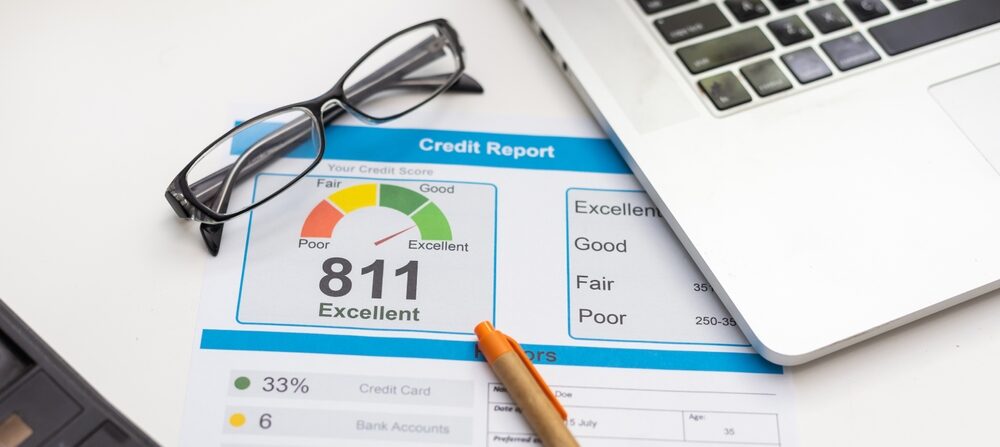
Buying a home is exciting, but before you start touring properties and imagining where your furniture will go, it’s worth taking a close look at one of the most important parts of your financial profile: Your Credit
Your credit history and credit scores can affect whether you qualify for a mortgage, the loan options available to you, and the interest rate a lender may offer. Even a relatively small difference in your mortgage rate can affect your monthly payment and how much you ultimately spend on your home.
The good news is that you don’t necessarily need perfect credit to become a homeowner. However, preparing your credit well before you apply for a mortgage can put you in a stronger position.
If buying a home is in your future, here are some practical steps you can take to improve and protect your credit before applying for financing.
1. Start by Checking Your Credit Reports
Before you can improve your credit, you need to know what lenders may see.
Review your credit reports from the three major credit reporting companies: Equifax, Experian, and TransUnion. Checking your own credit does not hurt your credit scores, so there is no reason to avoid reviewing your information before beginning the mortgage process.
Look carefully for problems such as:
- Accounts you don’t recognize
- Incorrect balances
- Payments incorrectly reported as late
- Duplicate accounts
- Collection accounts that should have been updated
- Incorrect personal information
- Signs of possible identity theft
If you find inaccurate information, dispute it with the appropriate credit reporting company and the company that supplied the information.
Reviewing your credit early in the home-buying process gives you time to address mistakes before applying for a mortgage.
2. Make Every Payment on Time
If you’re trying to strengthen your credit, consistent, on-time payments should be a priority.
Lenders reviewing your mortgage application want to see evidence that you have reliably managed your existing financial obligations. Recent late payments can make you appear riskier to a lender.
Make sure credit cards, auto loans, student loans, personal loans, and other reported accounts are paid on time. If keeping track of due dates is difficult, consider setting up automatic payments or calendar reminders.
If you’ve previously missed payments, don’t assume the damage is permanent. Focus on bringing accounts current and establishing a new pattern of reliable payments.
Credit improvement typically isn’t instantaneous. Giving yourself several months or longer before applying for a mortgage can provide more time for positive financial habits to become part of your credit history.
3. Pay Down Credit Card Balances
If you carry large balances on your credit cards, reducing them can be an important part of preparing for a mortgage.
Credit scoring models consider how much revolving credit you’re using compared with the amount available to you. Consistently operating near your credit limits can work against you, even if you make your minimum payments on time.
For example, having a $4,500 balance on a card with a $5,000 limit generally presents a very different credit picture than carrying a much smaller balance on that same account.
Rather than focusing exclusively on saving every available dollar for a down payment, consider how paying down high revolving balances could improve your overall financial position.
Reducing debt can also help with another important part of mortgage qualification: your debt-to-income ratio (DTI).
4. Avoid Taking On New Debt Before Your Mortgage
The months before buying a home generally aren’t the ideal time to finance a new vehicle, open several credit cards, or make a large purchase using credit.
New accounts and additional debt can affect your credit profile and potentially change your debt-to-income ratio.
The Consumer Financial Protection Bureau recommends that prospective homebuyers avoid taking out unnecessary new loans, making large credit-card purchases, or applying for additional credit cards in the months before purchasing a home.
That new furniture set may look perfect in your future living room, but consider waiting until after you’ve completed the home-buying process before financing it.
5. Think Twice Before Closing Older Credit Cards
Paying off a credit card can be a great accomplishment. Closing the account afterward, however, isn’t always necessary.
Closing an established credit card can reduce the amount of revolving credit available to you and remove an account you may have successfully maintained for years.
If an older card doesn’t carry a burdensome annual fee or create another problem, talk with a financial or lending professional before closing it while you’re preparing for a mortgage.
6. Don’t Expect Credit Improvement to Happen Overnight
Be cautious of anyone promising an instant credit-score transformation.
There is no universal trick that suddenly creates excellent credit. Building stronger credit generally comes from consistently managing your financial obligations over time.
That means:
- Paying bills on time
- Reducing outstanding balances
- Correcting legitimate reporting errors
- Avoiding unnecessary new debt
- Keeping accounts in good standing
Accurate negative information generally cannot simply be removed because you would prefer it wasn’t on your report.
If you’re hoping to buy a home within the next year, starting your credit preparation now gives you considerably more flexibility than waiting until you’ve already found a property you want to purchase.
7. Protect Your Credit While Shopping for a Mortgage
Eventually, you’ll be ready to move from credit preparation to mortgage shopping.
Don’t let concerns about credit inquiries prevent you from comparing lenders.
According to the Consumer Financial Protection Bureau, multiple mortgage credit checks made within a 45-day window are generally recorded for scoring purposes as a single inquiry. That allows you to compare mortgage lenders and seek multiple preapprovals without treating each mortgage inquiry as an entirely separate attempt to take on new debt.
That doesn’t mean you should start applying for unrelated financing at the same time. Continue avoiding unnecessary credit cards, auto loans, and other new debts while your mortgage application is underway.
8. Remember That Your Credit Score Isn’t the Whole Picture
Your credit is important, but it isn’t the only financial consideration when buying a home.
Lenders may also evaluate factors such as your income, employment, existing debts, assets, down payment, and overall ability to repay the mortgage.
Your own home-buying budget should go even further.
In addition to your mortgage payment, prepare for expenses such as:
- Property taxes
- Homeowners insurance
- HOA fees, when applicable
- Closing costs
- Moving expenses
- Utilities
- Maintenance and repairs
A strong credit score doesn’t automatically mean you should purchase the most expensive home a lender is willing to finance. Your goal should be finding a home and monthly payment that work comfortably within your overall financial situation.
When Should You Start Improving Your Credit Before Buying?
The earlier, the better.
If homeownership is something you’re considering within the next six to twelve months, reviewing your credit now gives you time to identify problems, reduce balances, establish a stronger payment history, and speak with mortgage professionals about your options.
If your credit is already in good shape, this preparation period can still be valuable. Instead of focusing on major improvements, your goal becomes protecting the financial profile you’ve already established.
You can also begin preparing other aspects of your purchase, including determining a realistic budget, building your down payment and closing-cost savings, and learning the difference between mortgage pre-qualification and pre-approval.
Understanding how your credit and financial profile may affect your interest rate can also help you see why preparing early is so worthwhile. A more favorable mortgage rate can affect both your monthly payment and the total amount you ultimately pay to finance your home.
Prepare Your Finances, Then Start Your Home Search
Improving your credit before buying a home isn’t about chasing a perfect number. It’s about putting yourself in the strongest financial position possible before making one of life’s largest purchases.
Start by reviewing your credit reports, correcting legitimate errors, paying every bill on time, reducing revolving debt, and avoiding unnecessary new credit. Once your finances are ready, obtaining mortgage pre-approval can give you a clearer understanding of your purchasing power before you seriously begin shopping for homes.
When you’re ready to take that next step, Key Realtors can help you navigate the home-buying process, understand your options, and find a property that fits your needs and budget. From beginning your home search to putting together an offer, having an experienced real estate professional beside you can make the process considerably easier.
Ready to start looking for your next home? Contact Key Realtors at 281-454-4500 today and let our team help you move forward with confidence.
